For years, the medical community has treated severe alcoholism as a moral failing or a psychological hurdle, throwing talk therapy and 12-step programs at a fundamentally biological disease. But a radical new gene therapy is proving that addiction is a hardware problem—and we finally have the tool to hotwire the brain back to health.
For communities ravaged by the crisis—particularly in Northern Ontario, where the generational trauma of addiction in hubs like Thunder Bay has reached a breaking point—this therapy could be exactly what Ozempic has been for obesity: a biological circuit-breaker that simply turns off the craving.
The Science: Erasing the Need to Drink
When a person drinks heavily over years, alcohol blunts the brain's mesolimbic reward pathway. The brain stops producing normal levels of dopamine, meaning the individual must consume alcohol just to feel a baseline level of functioning.
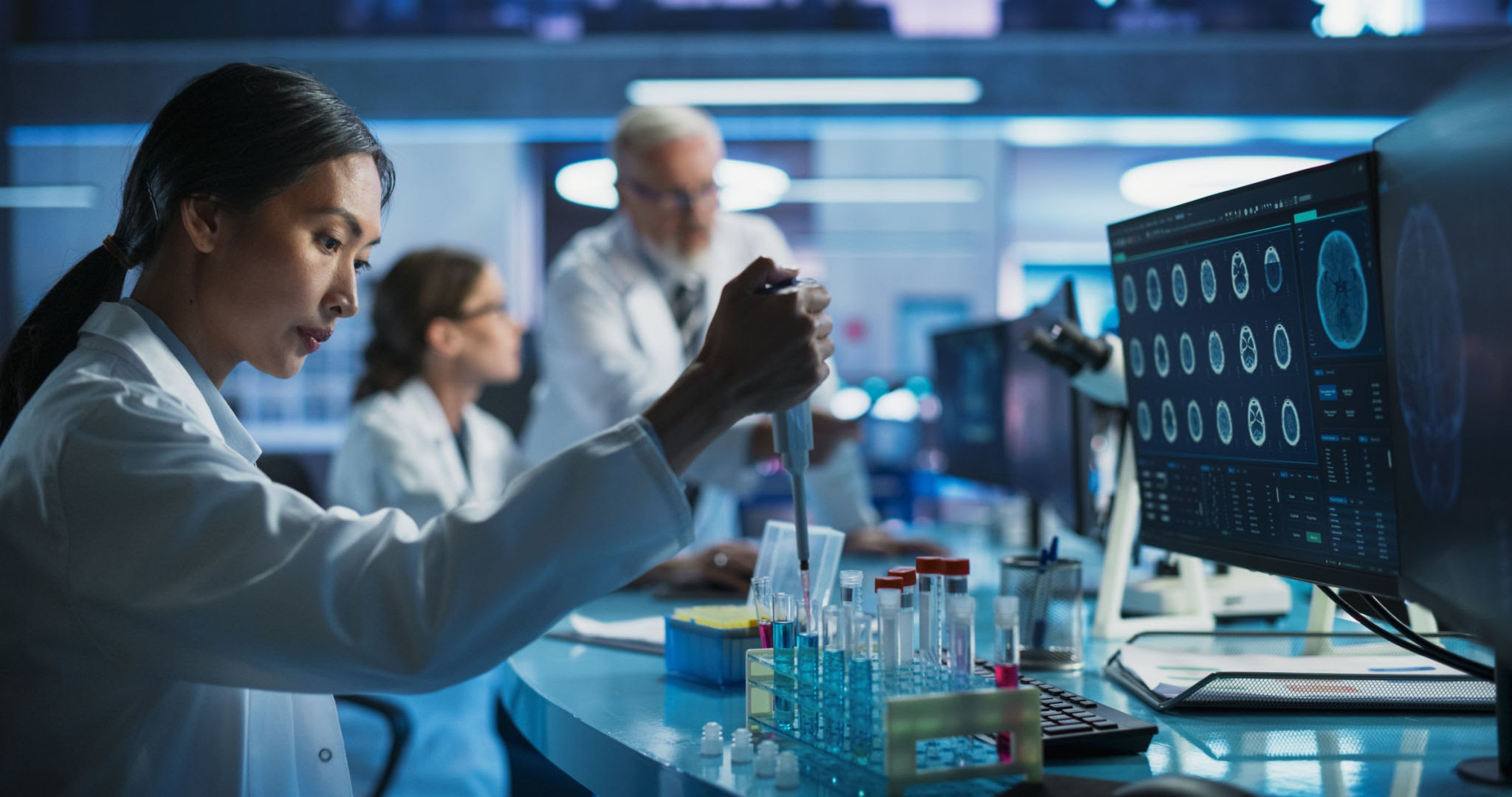
In a landmark 2023 study published in Nature Medicine, a multi-institutional team of researchers proved they could reverse this damage. They took a harmless virus (AAV2) and loaded it with a gene that codes for a protein called GDNF (glial-derived neurotrophic factor). They injected this directly into the brains of heavy-drinking primates.
The results were staggering. The gene therapy permanently re-ignited dopamine production. The primates' alcohol consumption plummeted by over 90%. They didn't need willpower; they simply lost the biological urge to drink, choosing water instead for months on end.
The Argument for Speed: The Opportunity Cost is Death
In medical research, moving from animal models to human trials usually takes a decade of red tape. But the calculus for severe alcohol use disorder needs to change. The traditional slow-roll of clinical trials makes sense when the status quo is stable. But when the status quo is the destruction of entire communities, rampant mortality, and overflowing justice systems, the opportunity cost of waiting is death.
We do not need to reinvent the wheel to ensure this therapy is safe for humans. The exact same surgical procedure and viral vector (AAV2-hGDNF) used in the primate alcohol study are already being used in human clinical trials to treat Parkinson’s disease and Multiple System Atrophy (MSA). The safety profile of the delivery mechanism is well-documented and actively monitored in humans today.
The Timeline to Human Treatment
Because the delivery mechanism is already crossing the FDA and Health Canada hurdles for other neurological diseases, researchers are not starting from scratch.
If public health agencies and regulators recognize severe alcoholism as the terminal emergency it is, human trials for alcohol addiction could logically be fast-tracked within 2028 to 2030. If treated with the same urgency as the COVID-19 vaccines or the compassionate use of experimental cancer drugs, early clinical availability could be seen within 2031 to 2033.
Voluntary enrollment in early trials could provide an immediate lifeline to those who have failed every other form of rehab. If we are willing to chemically alter metabolism to save lives from obesity, we must be willing to chemically repair the brain to save lives from addiction.